






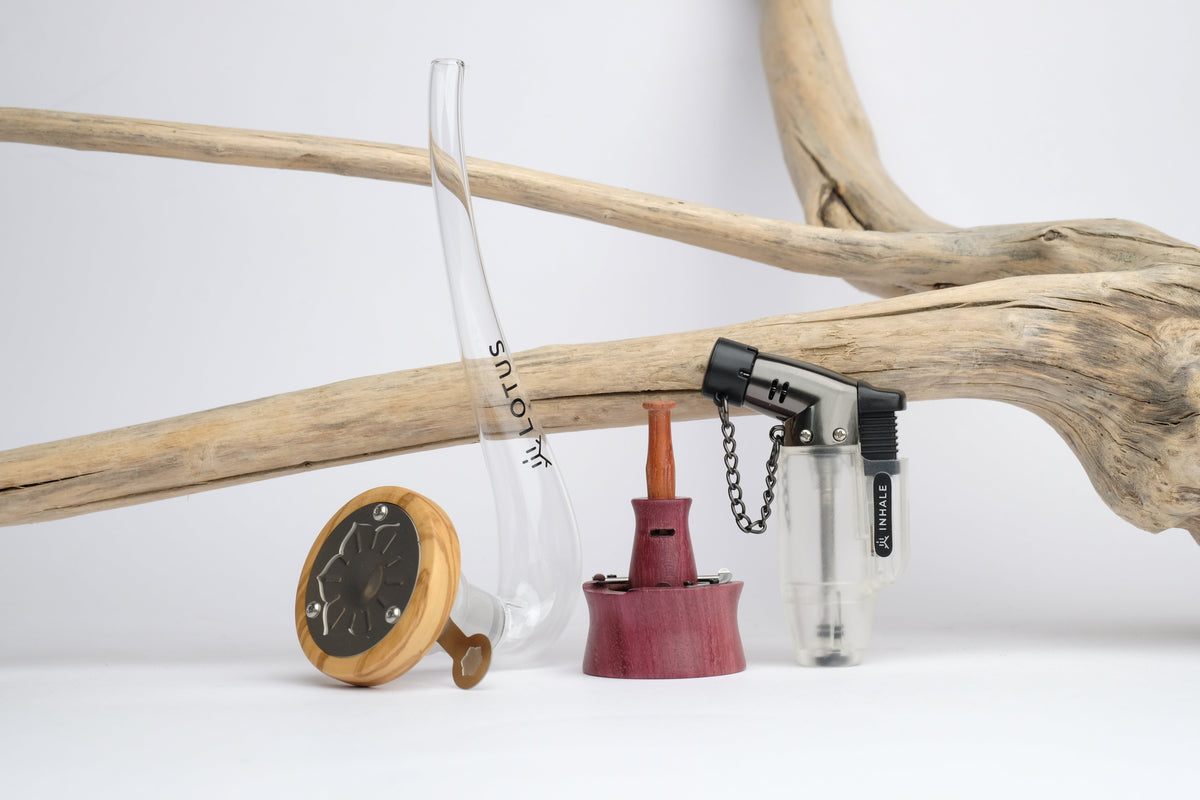
Vaporizers have become increasingly electronic. Batteries, displays, apps, charging cables and temperature controls are now common features of many modern dry herb vaporizers.
But there is another way.
A flame powered vaporizer uses an external heat source, normally a small butane torch lighter, instead of an internal battery. The flame heats the vaporizer rather than directly burning the herbs, allowing the device to reach the temperatures needed to release vapor.
This simple idea creates an entirely different experience: no charging, no electronics and much more direct control over the heating process.
At INHALE, this philosophy is at the heart of both the Vapman and the Lotus.
What Is a Flame Powered Vaporizer?
A flame powered vaporizer is a type of dry herb vaporizer that uses external heat instead of electricity.
It is also commonly called a butane vaporizer, butane powered vaporizer, torch vaporizer, manual vaporizer or battery free vaporizer.
Although the names are different, the basic principle is similar.
Instead of using an electric heating element, the user heats a specially designed part of the vaporizer with a flame. The heat is then transferred to or through the herbs until they reach vaporization temperature.
Importantly, the goal is not to put the flame directly onto the herbs. The flame is used as the energy source for the vaporizer's heating system.
This distinction is what separates vaporization from simply burning the material.
How Does a Butane Vaporizer Work?
Every butane-powered dry herb vaporizer approaches heating differently, but there are two main methods: conduction and convection.
With conduction heating, heat is transferred through contact with a heated surface. The herb sits inside or next to a hot chamber and gradually receives heat from the surrounding material.
With convection heating, heated air moves through the herbs while the user inhales. Instead of primarily heating the bowl itself, the vaporizer uses hot airflow to extract the compounds from the material.
Some vaporizers also combine both principles in what is commonly called hybrid heating.
The design of the vaporizer determines how the flame's energy reaches the herbs.
That is one of the reasons different flame powered vaporizers can feel completely different even though they are all heated with a butane torch.

Why Choose a Flame Powered Dry Herb Vaporizer?
One of the biggest differences is independence from electricity.
A battery-powered vaporizer eventually needs to be connected to a charger. A flame powered vaporizer only requires a suitable heat source.
This makes these devices particularly interesting for travelling, hiking, festivals, camping or simply for people who prefer products without electronics.
Removing the battery also simplifies the construction of the device.
There are no charging ports, electronic displays, circuit boards or software required to operate it. A well-designed manual vaporizer can therefore be built around relatively simple mechanical components and durable materials.
For many users, however, the biggest attraction is control.
Heating manually means that the user has direct influence over the session. Flame distance, heating time, airflow and inhalation speed can all affect the result.
Learning this technique becomes part of the experience.
Flame Powered vs Battery Powered Vaporizers
A battery-powered dry herb vaporizer usually prioritizes convenience. Select a temperature, press a button and allow the electronics to regulate the heater.
A flame powered vaporizer takes a different approach.
Rather than allowing electronics to make every heating decision, the user participates directly in the process.
Neither system needs to replace the other. They simply offer different experiences.
Electronic vaporizers can be convenient when repeatable temperature control is the priority. Manual vaporizers appeal to users who value simplicity, portability, durability and a more hands-on ritual.
There is also something satisfying about using a device that works without a screen, software or charging cable.
Butane Vaporizers and Temperature Control
One common misconception is that using a flame means having no temperature control.
In reality, temperature management simply works differently.
With an electronic vaporizer, a sensor and controller regulate the temperature automatically.
With a traditional manual vaporizer, temperature is influenced by how and where the device is heated. Experienced users learn how flame distance, heating duration and airflow change the extraction.
Some modern flame powered vaporizers also use mechanical temperature indicators.
The Vapman Click, for example, uses temperature-reactive bimetal technology that produces an audible click during heating. This provides the user with a mechanical indication without requiring a battery or electronic temperature sensor.
It is a good example of how analog technology can provide feedbackwhile remaining completely battery free.
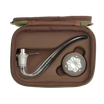
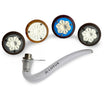
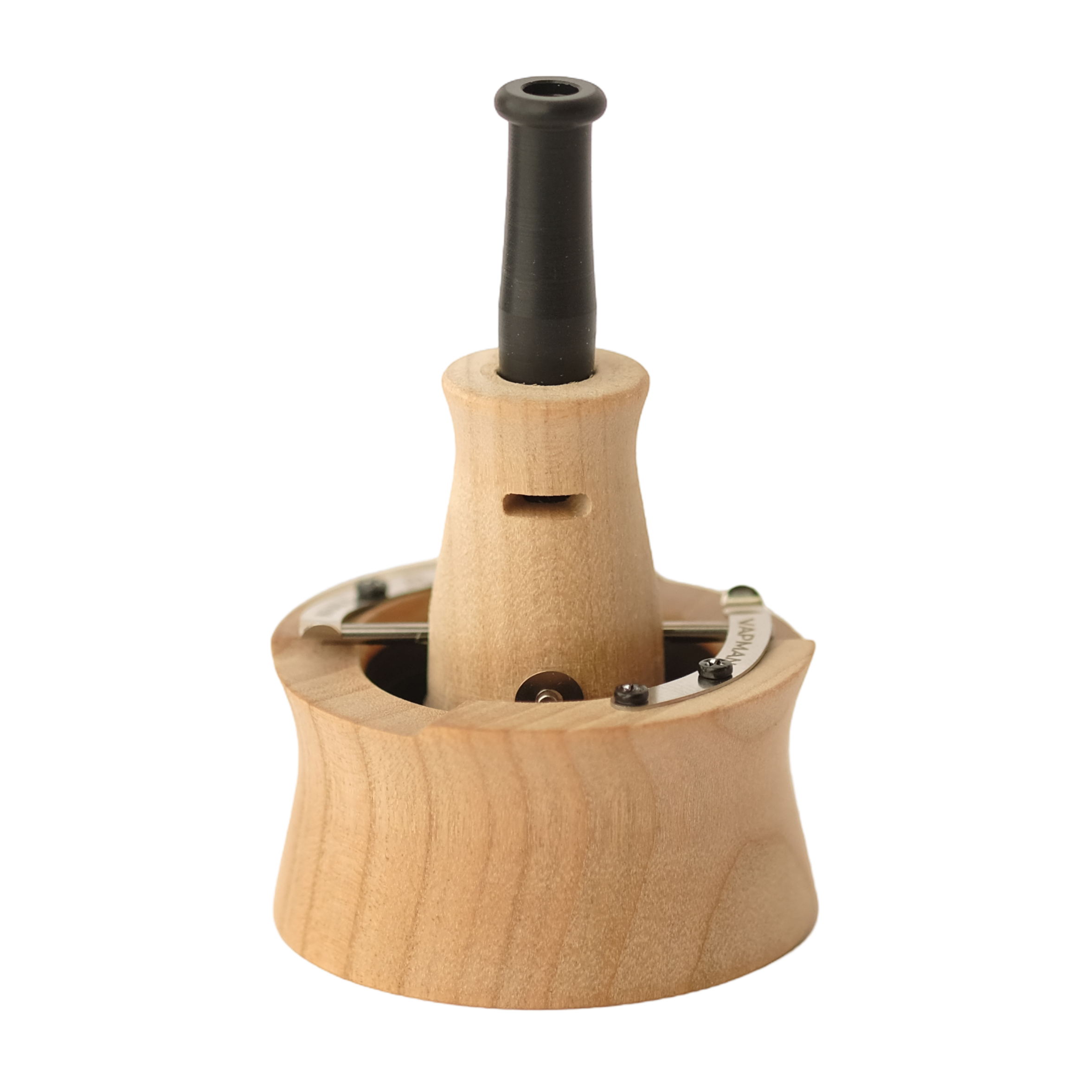
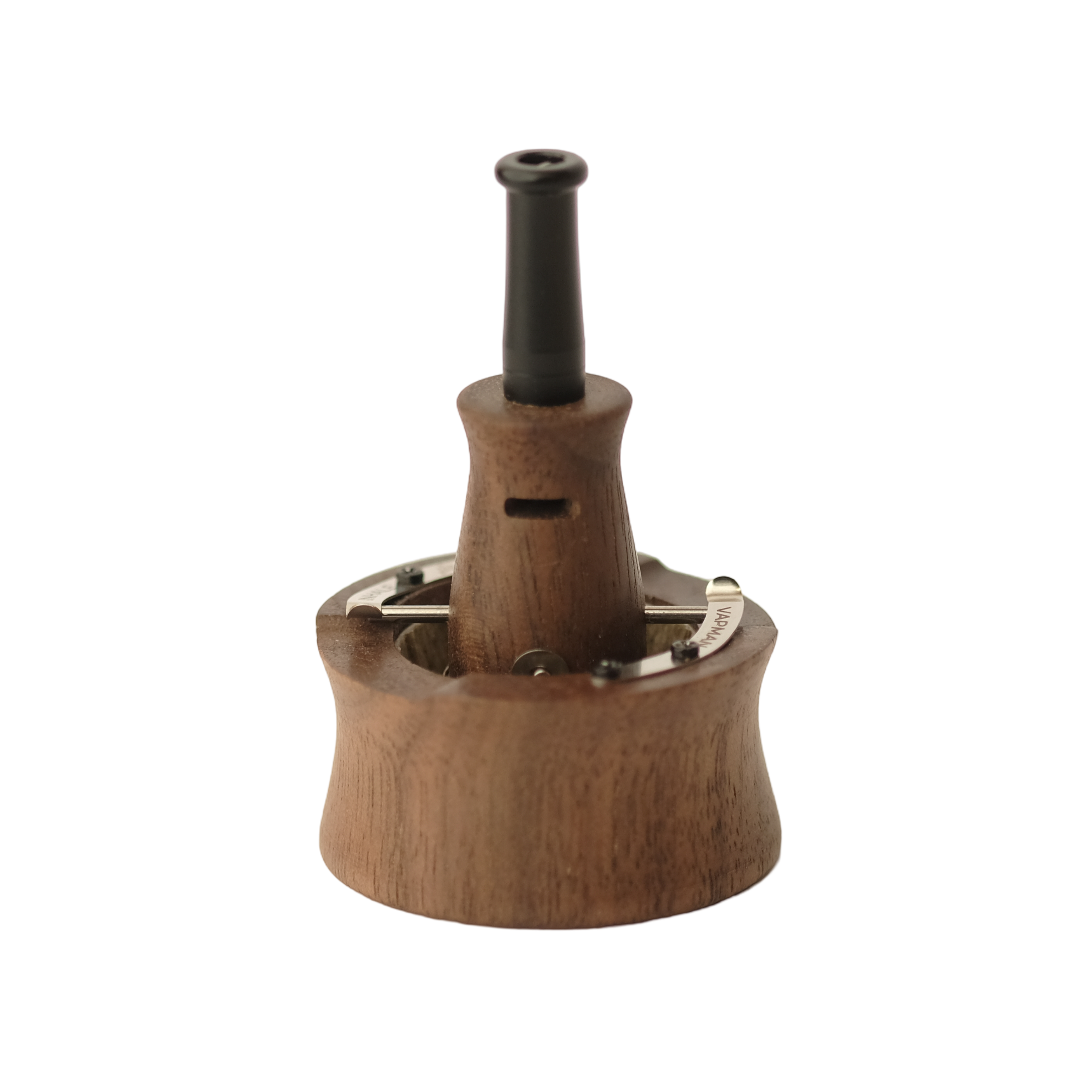
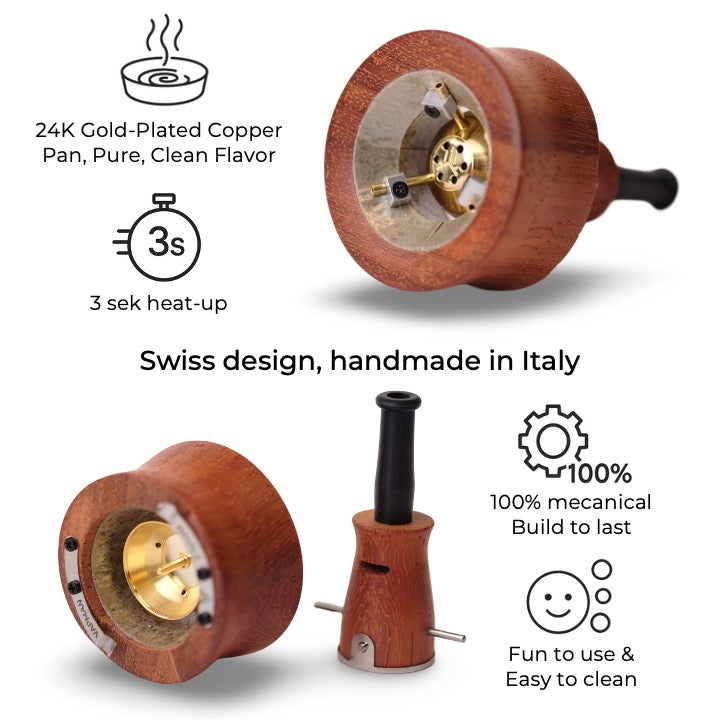
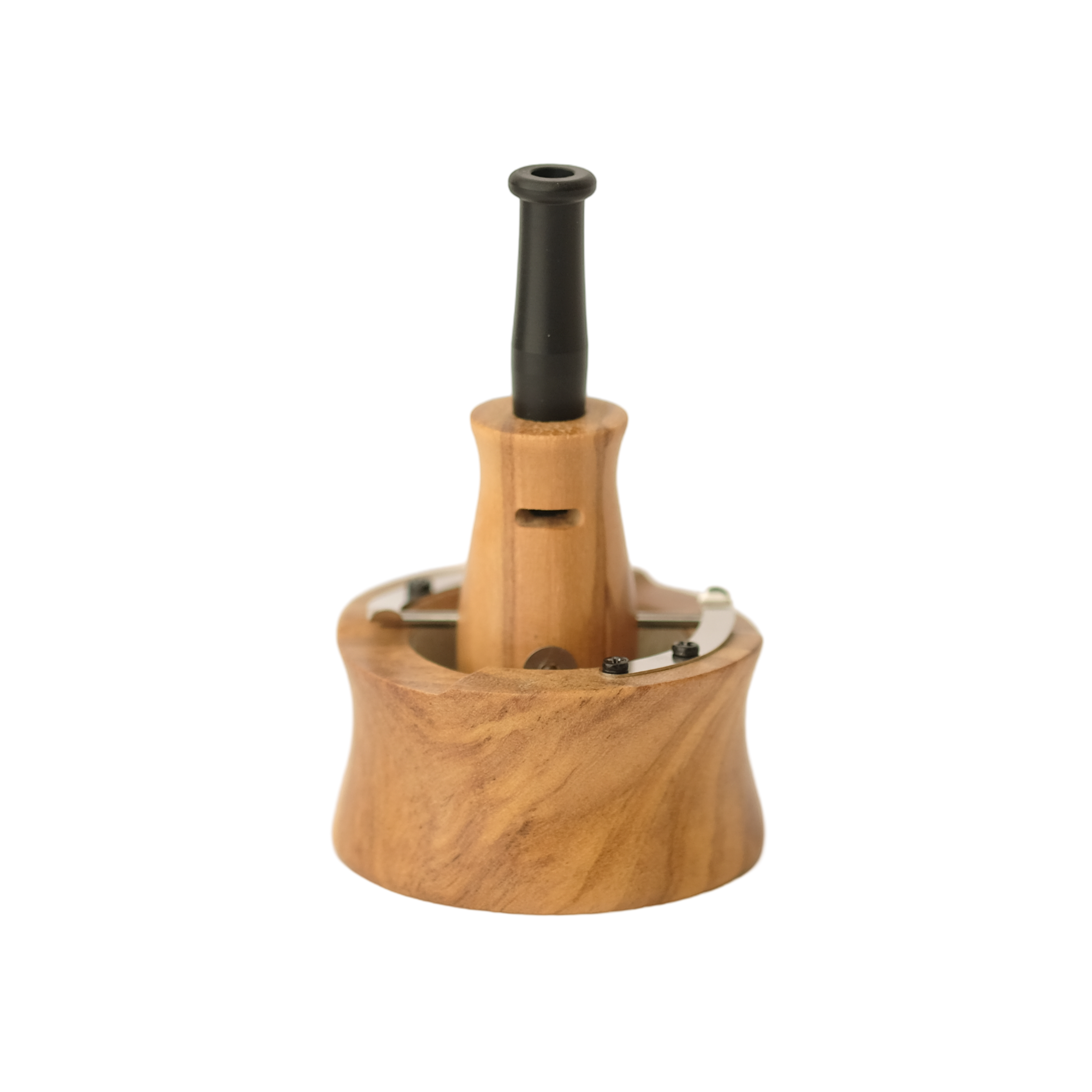
Vapman: A Compact Flame Powered Vaporizer
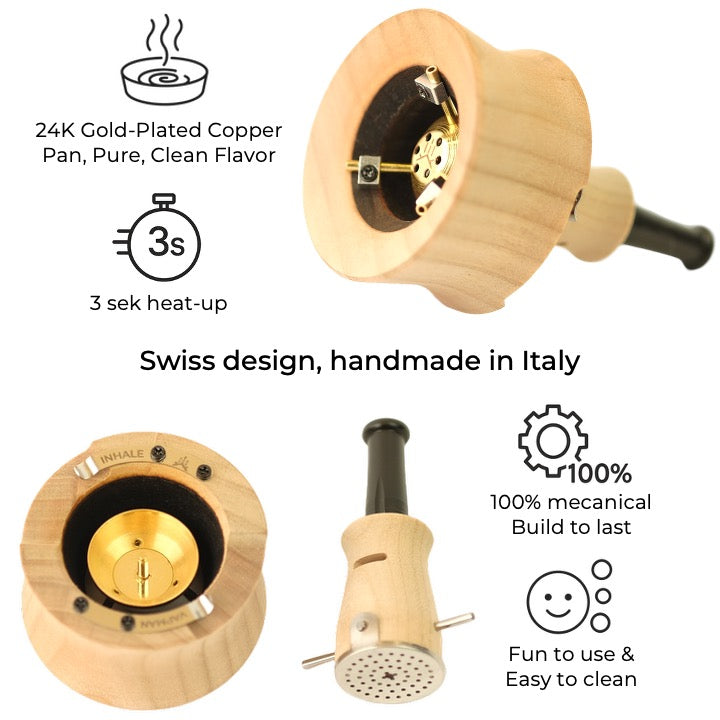
Vapman was created around the idea of efficiency, simplicity and precise manual heating.
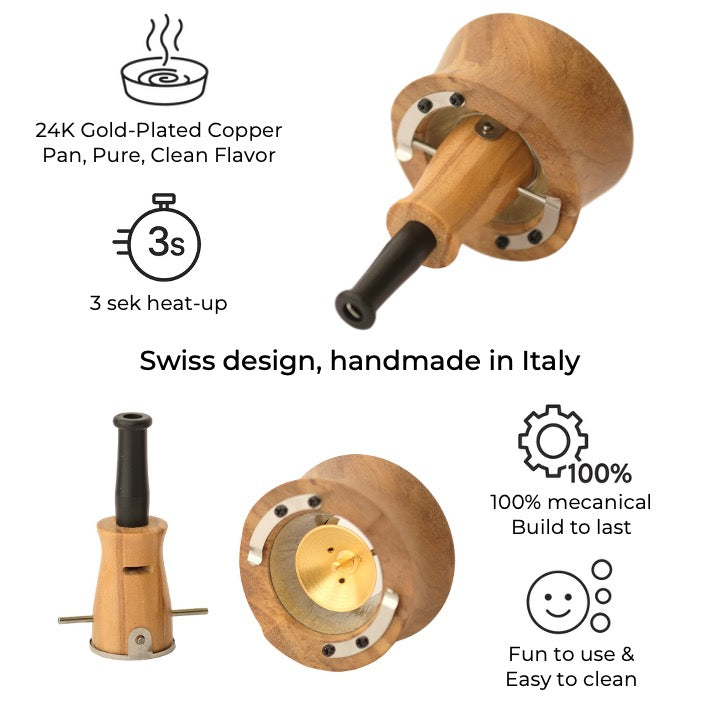
Its compact bowl makes it particularly suited to users who prefer smaller quantities of dry herbs.
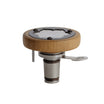
The Vapman heating chamber combines carefully selected materials with a manually controlled heat source. Current Vapman models use a gold-plated copper pan designed to respond rapidly to heat.
The result is a very small butane powered vaporizer that can be ready within seconds.
The Vapman Click adds a mechanical click mechanism to the concept, giving users an additional temperature reference while maintaining the battery-free philosophy.
For people looking for a compact manual dry herb vaporizer with a strong focus on ritual and efficient extraction, Vapman represents one approach to flame-powered vaporization.

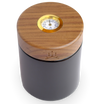
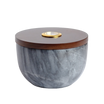
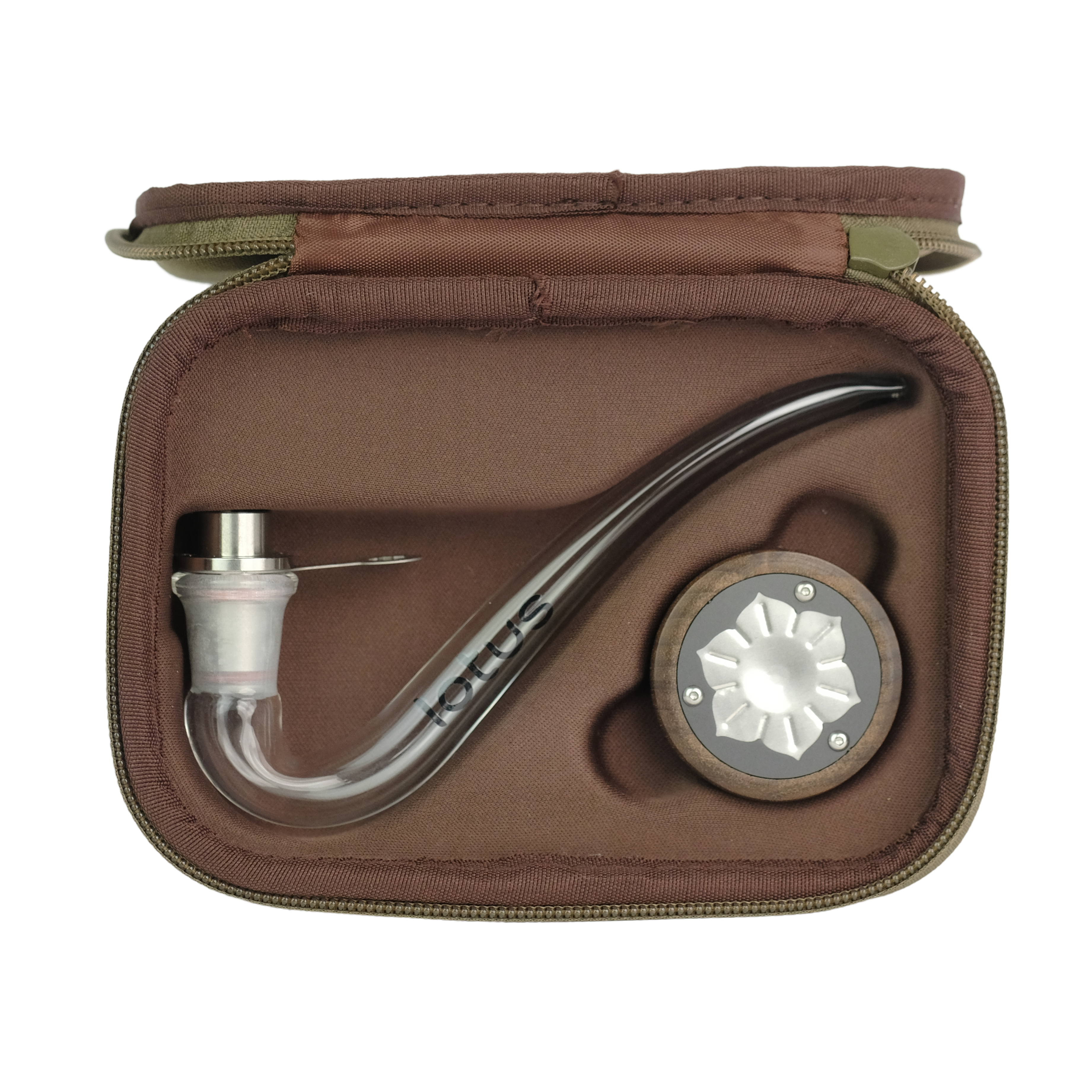
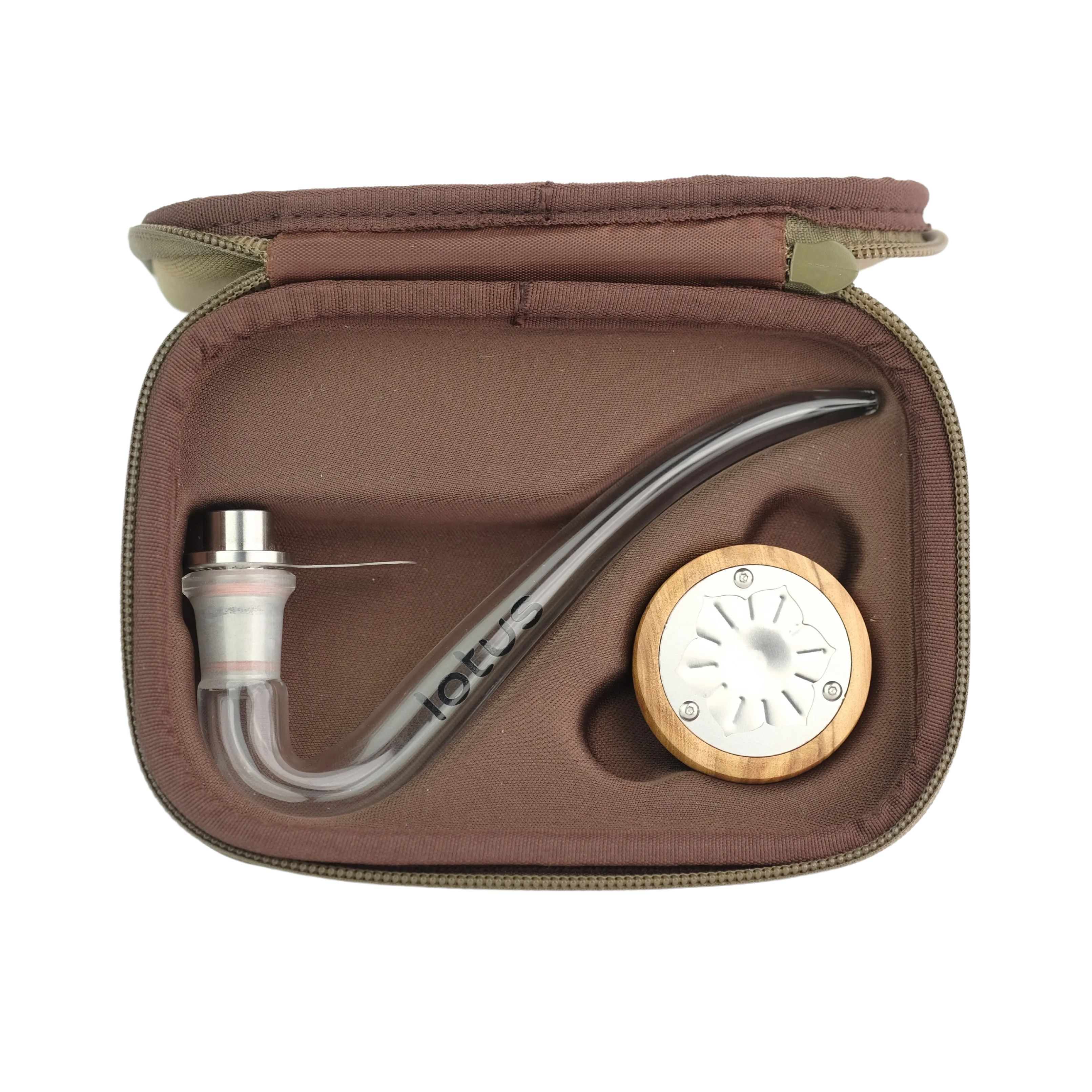
Lotus: A Flame Powered Convection Vaporizer

Lotus takes a very different approach.
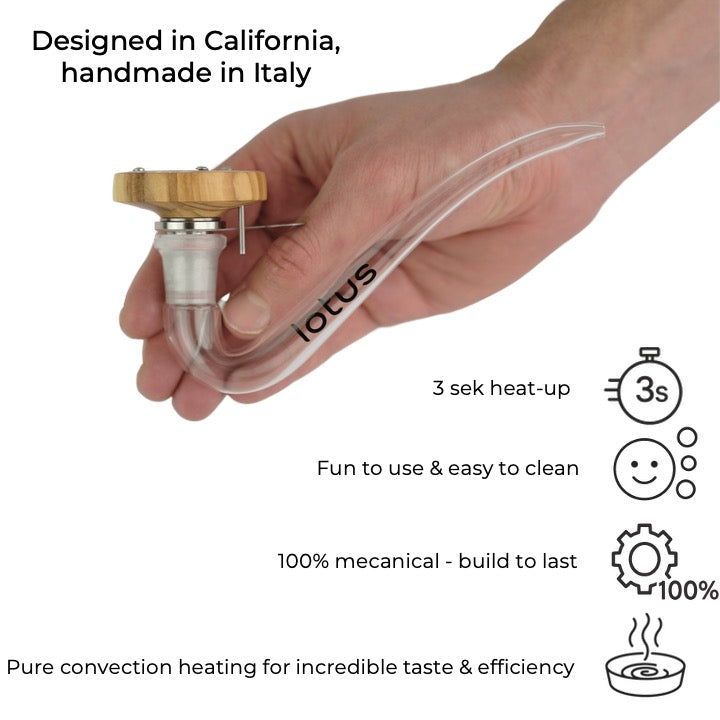
Instead of primarily heating a bowl through direct contact, the Lotus is designed around convection heating.
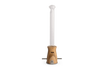
The user applies the flame to the Lotus heating cap while inhaling. The incoming air is heated and then travels through the herbs.
This means the flame never needs to touch the herbs themselves.
Because hot air is generated while inhaling, the Lotus can respond extremely quickly. It combines the power of a butane torch with a manual convection system that can produce vapor within seconds.
Its larger bowl also gives the Lotus a different character from Vapman.
Where Vapman focuses on compactness and smaller sessions, Lotus is designed for users looking for powerful manual convection and larger extraction capacity.

Vapman vs Lotus: Two Different Ways to Use Flame
Vapman and Lotus demonstrate why the term flame powered vaporizer describes a category rather than one particular technology.
Both use a butane flame as their energy source.
But the experience is very different.
Vapman uses a compact heating chamber and hybrid-style heat transfer, while Lotus focuses strongly on convection and heated airflow.
Vapman is especially compact and suitable for small quantities. Lotus provides a larger bowl and a more airflow-driven experience.
Both are completely usable without batteries.
Choosing between them therefore depends less on which technology is objectively better and more on what kind of manual vaporization experience you prefer.
Are Flame Powered Vaporizers Difficult to Use?
There is usually a learning curve.
A battery vaporizer can regulate much of the process automatically. With a manual vaporizer, the user controls more variables.
At first, this requires some experimentation.
After a few sessions, however, heating becomes intuitive for many users. You begin to understand how your particular device reacts to flame distance, airflow and heating time.
That learning process is actually one of the reasons many people enjoy manual vaporizers.
Instead of pressing a button and waiting for electronics to make the decisions, you become part of the process.
What Type of Lighter Do You Need?
Most flame powered vaporizers work best with a butane jet torch lighter rather than a conventional soft-flame lighter.
A jet flame is concentrated and predictable, making it easier to direct heat toward a specific part of the vaporizer.
The exact heating technique depends heavily on the device.
With Vapman, the flame is applied to the underside of the heating chamber.
With Lotus, the flame heats the top cap while the user inhales, creating the hot airflow required for convection.
The manufacturer's instructions should always be followed because different butane vaporizers are designed for different heating techniques.
Do Flame Powered Vaporizers Need Electricity?
No.
That is one of their defining characteristics.
A true flame powered or butane powered vaporizer does not require electricity during normal operation.
There is no battery to charge before using it.
This makes battery-free vaporizers particularly useful in situations where electricity may not be readily available, but it also appeals to users who simply prefer products built without unnecessary electronics.
Are Butane Vaporizers Only for Dry Herbs?
That depends on the vaporizer.
Many devices are primarily designed as dry herb vaporizers, while certain models can also be used with concentrates when the correct accessory or insert is installed.
Always check the instructions for the specific device before using materials other than those it was designed for.
The Return of Analog Vaporization
As technology becomes increasingly electronic, manual products can feel refreshingly different.
Flame powered vaporizers are not trying to replace smartphones with another screen or another app.
Their technology is physical.
Airflow, thermal mass, metal, wood and carefully engineered heating systems determine how the device performs.
The user supplies the energy.
For us, that is an important part of the appeal.
Vapman and Lotus are designed around the idea that sophisticated performance does not necessarily require complicated electronics.
Sometimes fire, carefully controlled, is enough.
Discover INHALE Flame Powered Vaporizers
INHALE brings together two very different interpretations of the butane dry herb vaporizer.
Vapman offers an extremely compact approach focused on efficient heating, craftsmanship and small quantities.
Lotus delivers powerful manual convection through a completely different heating system.
Both are battery free, both are powered by flame, and both are designed for people who want to be directly involved in the vaporization process.
If you are looking for a flame powered vaporizer, butane vaporizer, battery free dry herb vaporizer or simply an alternative to electronic vaporizers, explore Vapman and Lotus and discover two different ways to experience analog vaporization.
Fire. Ritual. Flavor.







Hinterlasse einen Kommentar
Alle Kommentare werden vor ihrer Veröffentlichung geprüft.
Diese Website ist durch hCaptcha geschützt und es gelten die allgemeinen Geschäftsbedingungen und Datenschutzbestimmungen von hCaptcha.